
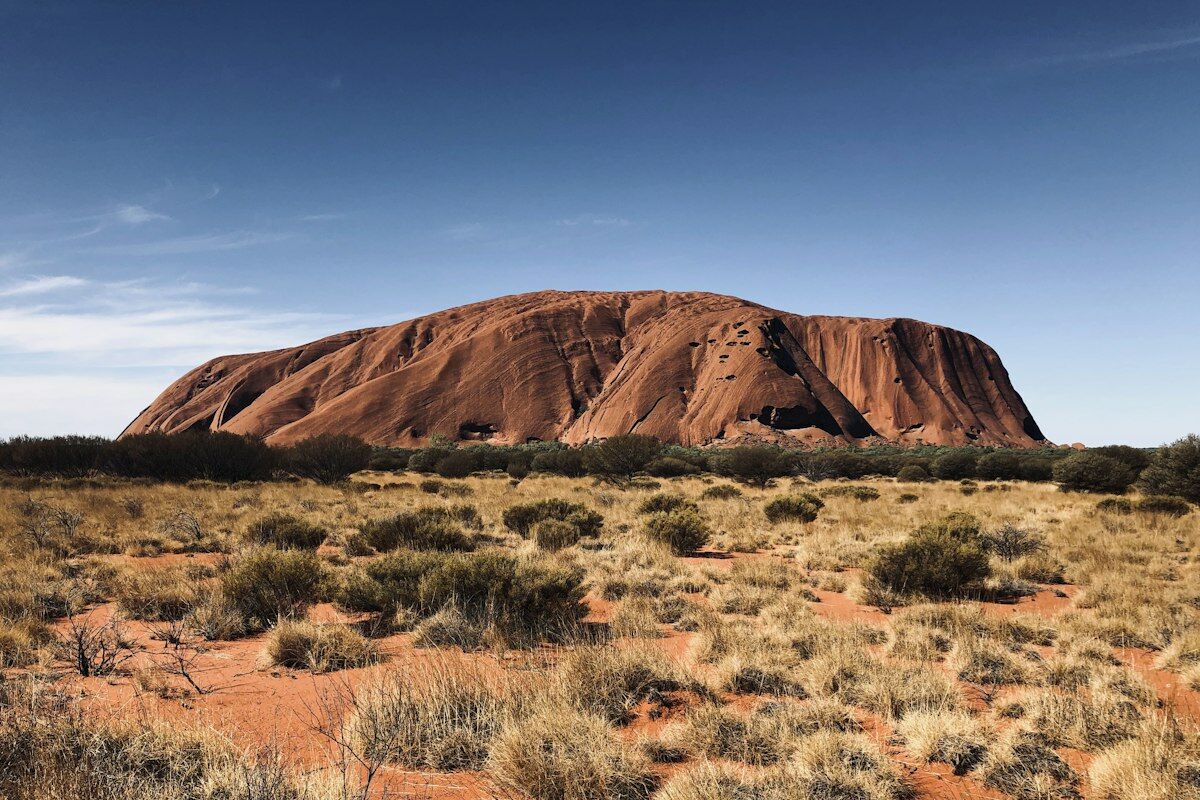
Watching Uluru change colour at sunset is on a lot of people’s travel lists, and fair enough. But it’s also a deeply sacred place for its Traditional Owners, the Aṉangu, and you’ll get more out of a visit if you know a bit about the people and the law behind the land before you go.
What you’re asked to do as a visitor isn’t complicated. Mostly it’s listen, stay on the tracks and think twice before you take a photo.
Aṉangu families have cared for this country for thousands of years. The foundation of their culture is Tjukurpa, which park information describes as the creation period when ancestral beings created the world. It also sets the rules for behaviour, for living together and for caring for each other and the land. Tjukurpa is described as relating to the past, present and future all at once, so it isn’t just a collection of old stories. It still guides how the park is looked after today.
Uluṟu-Kata Tjuṯa National Park is on the UNESCO World Heritage List for both its natural and its cultural values, which tells you how tightly the land and the culture are tied together. You’re a guest on Aṉangu country while you’re there, and a respectful attitude goes a long way.
About the climb
You can’t climb it anymore. Climbing Uluru wasn’t generally permitted under Tjukurpa, but visitors started doing it anyway in the late 1930s, and in 1964 a chain was put in on the first section. For decades tourists kept climbing while Aṉangu asked them not to.
The park was handed back to Aṉangu in 1985. According to the official Uluru climb closure history, in the 1990s signs at the base of the climb asked visitors not to go up. In November 2017 the Board of Management voted unanimously to close it, and it closed permanently from 26 October 2019, the 34th anniversary of Handback.
Trying it now breaches the Environment Protection and Biodiversity Conservation Act, and the park says penalties will be issued. Former Board chairman Sammy Wilson said closing the climb was a cause for celebration, and he also said that Aṉangu welcome tourists. So don’t read the closure as a sign you’re not wanted.
When the title deed came back in 1985, Aṉangu leased the land back to the Australian Government for 99 years, and since then the park has been jointly managed by Aṉangu and Parks Australia. The Board of Management has 12 members, and a majority have to be Indigenous people nominated by the Aṉangu Traditional Owners. That partnership is why the visitor rules are a mix of cultural protocols and national park law. The signs, the maps and the track closures all come out of it. Follow them and you’re showing respect, and you’re also keeping yourself safe in a pretty harsh desert.
Photos
This is where visitors trip up most. Some sites around Uluru and Kata Tjuta are culturally sensitive, and Aṉangu ask that they aren’t photographed, because images of them aren’t appropriate to view somewhere else. The park goes through it on its photography and cultural protocols page.
Sensitive sites have signs, and the park maps show where photos aren’t allowed. You can still take photos of plants, animals and people in those areas. Just keep the rock formations out of the shot. Line up a tree, a bush or a sand dune so it blocks the sacred site.
For the north east face of Uluru, Aṉangu ask photographers to take only wide shots from a distance. The page suggests one to two hours before sunset as a good time, because the shadows hide the sacred details. Always ask before you photograph or film Aṉangu people. And leave the drone at home. Drones are prohibited in the park and penalties apply.
If you’re planning to make money from your photos, you need a permit. The park says commercial use of photos or video needs a media permit, and that includes influencers, bloggers, artists and content creators. If posting travel content is part of your work, get this sorted before you go. It’s a bad thing to find out about on the way home.
Manners on country
The park suggests greeting Aṉangu with a friendly “palya”. Some Aṉangu may find constant eye contact uncomfortable. And if there’s a silent pause in a conversation, it usually means someone’s listening or thinking. They’re not ignoring you. The rest is pretty straightforward:
- Stay on marked tracks and paths.
- Don’t enter or photograph restricted areas, including ceremonial sites, burial grounds and homes.
- Don’t climb rock formations or boulders.
- Don’t feed wild animals.
- Leave the park before closing time, because camping isn’t allowed inside.
Before you go
You need a park pass to get in, and kids under 18 are free. Make the Cultural Centre your first stop. Entry is free and it’s a short drive from the base of Uluru. There’s a cultural presentation there every day.
Don’t underestimate the heat. For a lot of the year early morning is the time to walk, and in hot weather the visitor guide says to finish walks by 11 am. Carry and drink at least one litre of water per person per hour. Summer temperatures can go over 40 degrees.
The full Uluru Base Walk is about 10.6 kilometres and takes around three and a half hours. It’s a much nicer way to see the rock up close than the climb ever was. Check the signs and any track closures before you head off, and walk with someone else, which the park advises at all times.
If you’re still at the stage of choosing a holiday destination, Uluru suits people who want more than a beach and a pool. There’s culture, walking and huge open skies. The night sky is famous, but you’ll be watching it from outside the park, since you have to leave by closing time.
A slower trip like this gets you away from screens and deadlines for a while, and a quiet stretch in the desert can help with balancing work and life. Early starts and long walks are a good change from sitting at a desk. Build in some rest, though, because the heat wears you out.
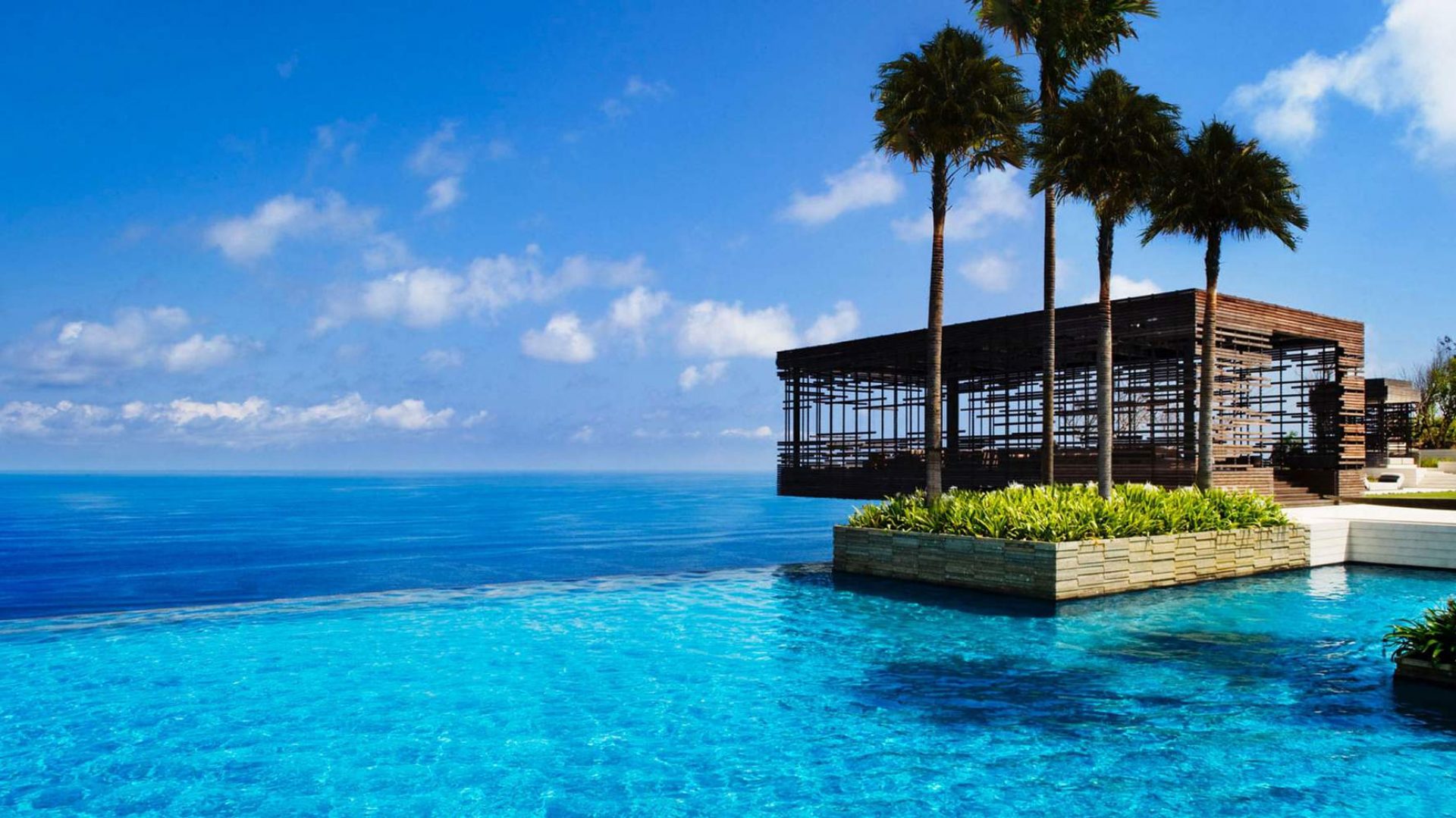
It works for groups as well. Walks and cultural tours give friends or workmates something to do together, which beats the usual team building activities in a city venue. And it’s a very different trip from a Bali wedding or a resort holiday.
Park rules, opening hours and fees can change, so check the official Uluṟu-Kata Tjuṯa National Park website for the latest before you travel.